The Case for Negative Space: Why the Best Modern Rooms Leave Things Out
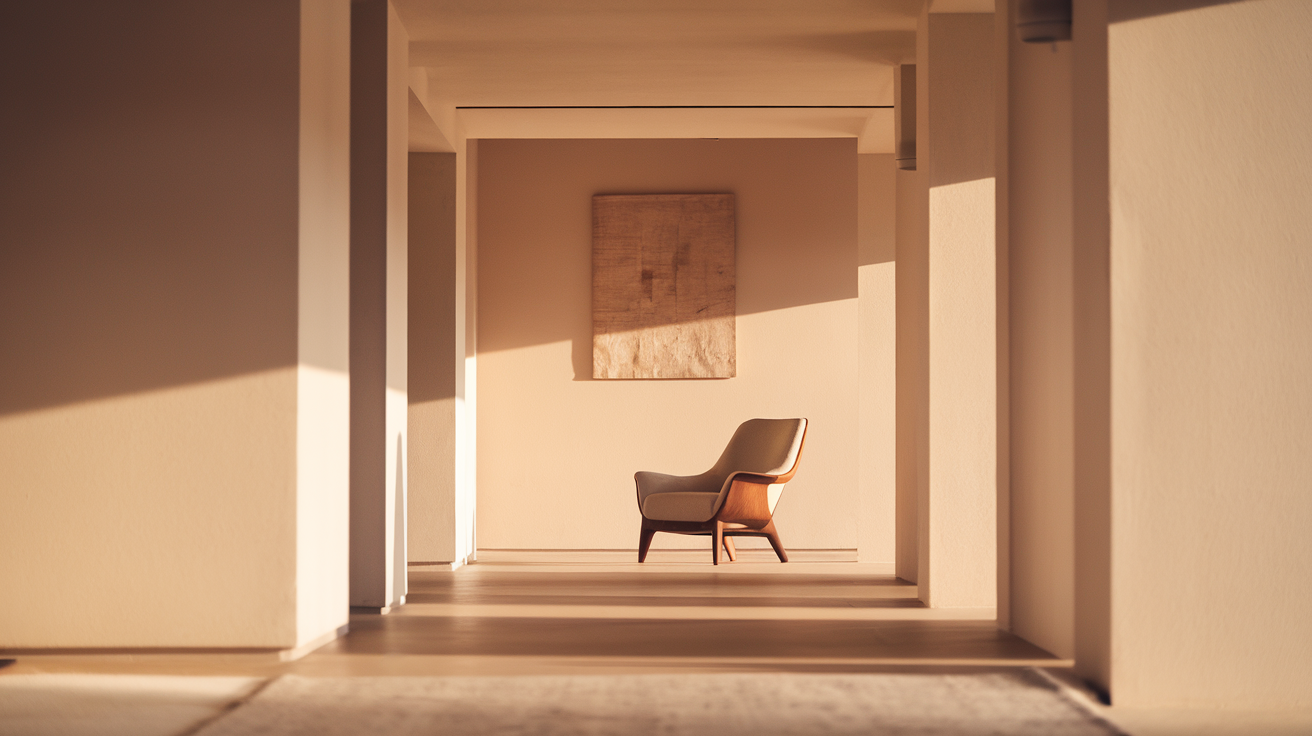
Most of us decorate by adding. A blank wall feels like a problem to solve, an empty corner like an invitation to go buy a plant stand. But the rooms we save to our boards are usually the ones that did the opposite — they left the wall alone, and it looks expensive precisely because of it.
Why emptiness reads as calm
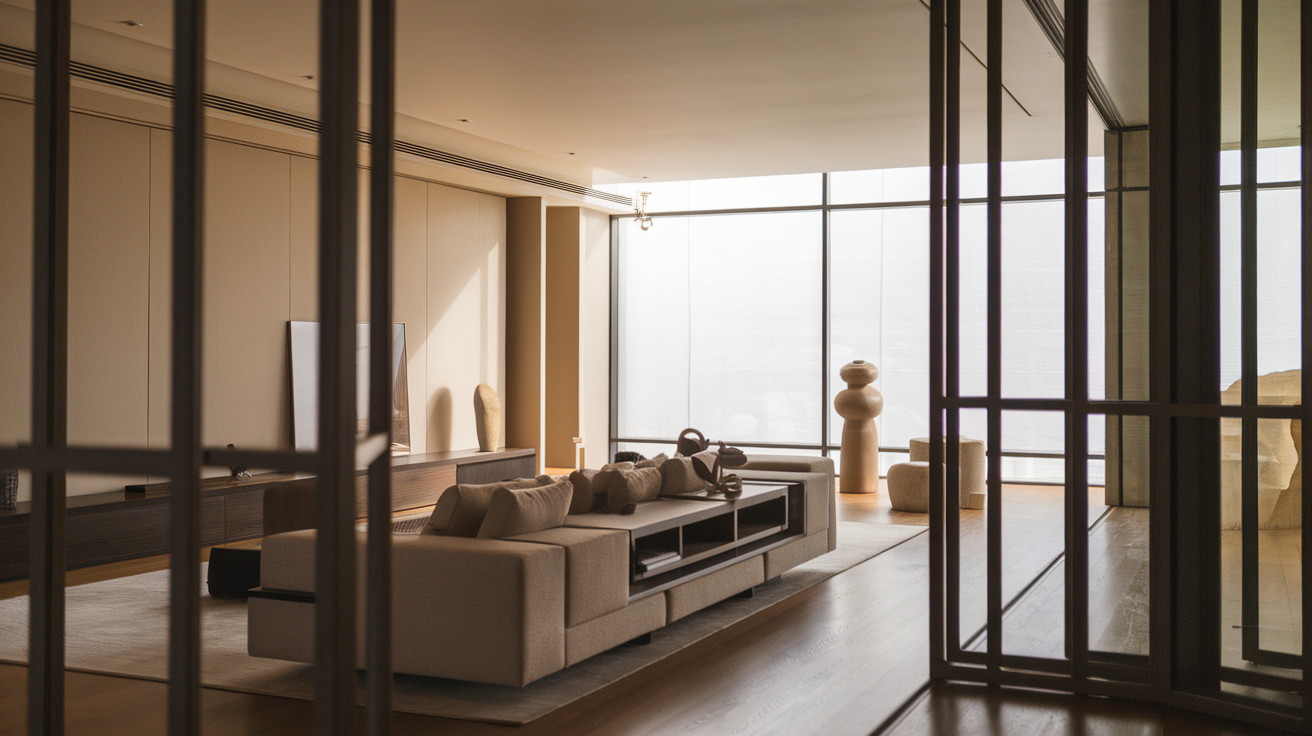
Your eye needs somewhere to rest. In a room packed edge to edge there’s no pause — everything competes, and your brain reads it as low-grade noise. Give the eye a stretch of nothing and suddenly the pieces you did choose feel framed, like art on a gallery wall. The emptiness is doing the framing.
It’s why a single vase on a bare console looks intentional, and the same vase crowded by five other things just looks like stuff.
How to actually leave space
The hard part isn’t getting the idea — it’s resisting the urge to fill. A few ways to hold the line:
- The one-item surface. Let each table or shelf hold one thing, or a tight group of three, then stop.
- Protect a wall. Pick one wall to leave completely blank. It becomes the room’s breath.
- Float the furniture, not the clutter. Pull pieces slightly off the walls and let the floor show — visible floor reads as space.
Negative space is free
Here’s the part worth hanging onto: this is the one decorating move that costs nothing and often means un-buying. Before you shop for something to fill a gap, sit with the gap for a week. Most of the time you’ll find you like the room better with the hole in it.
If it feels cluttered
If a room feels crowded but you can’t find anything you’d willingly remove, that’s actually your answer — the room’s over-full, and just about anything you take out will help. Start with the smallest, least-loved object and work up.