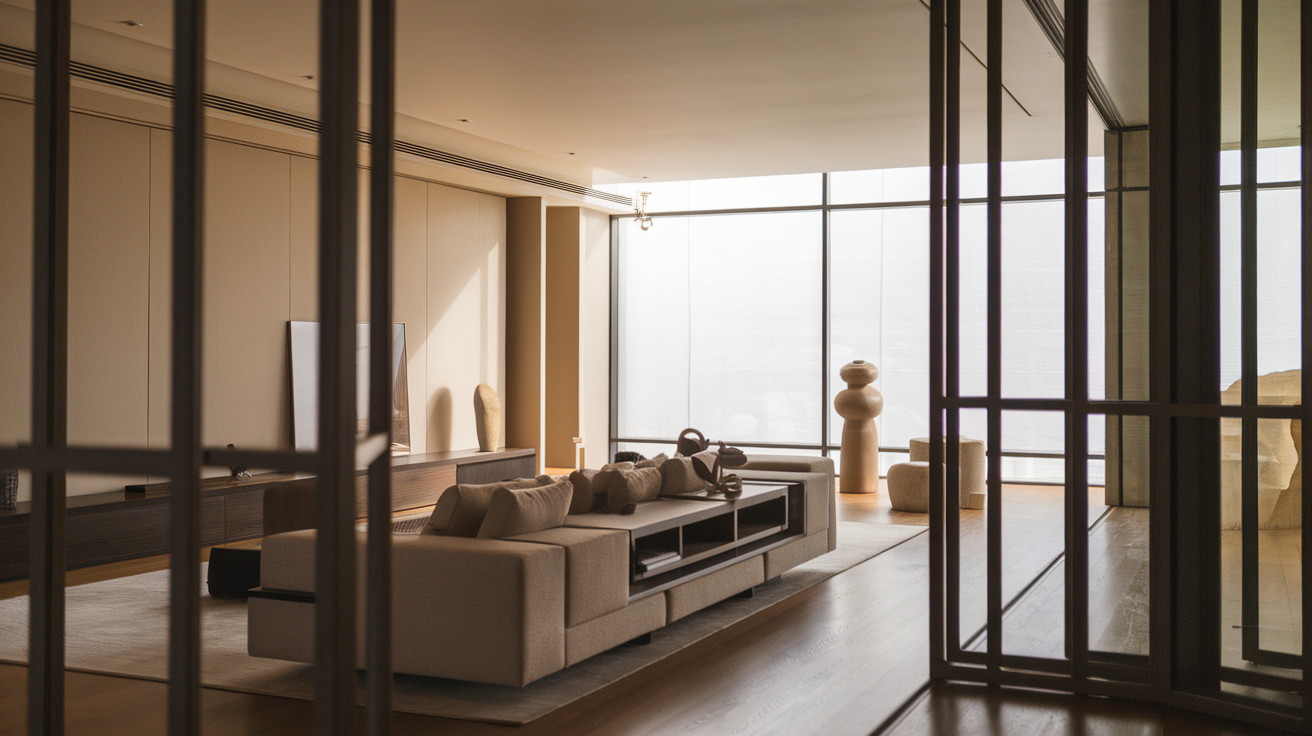
The Minimalist Living Room: Warm, Not Empty
The internet’s minimalist living room is often a cold, echoey box: white walls, one grey sofa, a single sad plant. Technically minimal, but nobody actually wants to sit there. Real minimalism isn’t about how little — it’s about how deliberately. You want a room where everything left has a reason, and the room still kind of hugs you back.
Reduce the count, not the warmth
Minimalism is subtraction, but you subtract clutter, not comfort. Keep the things that make a room feel human — soft textures, warm materials, good light — and cut the visual noise around them:
- Fewer objects, but let the ones that stay be tactile: wool, linen, wood, leather
- One generous, comfortable sofa beats two stiff “designer” ones
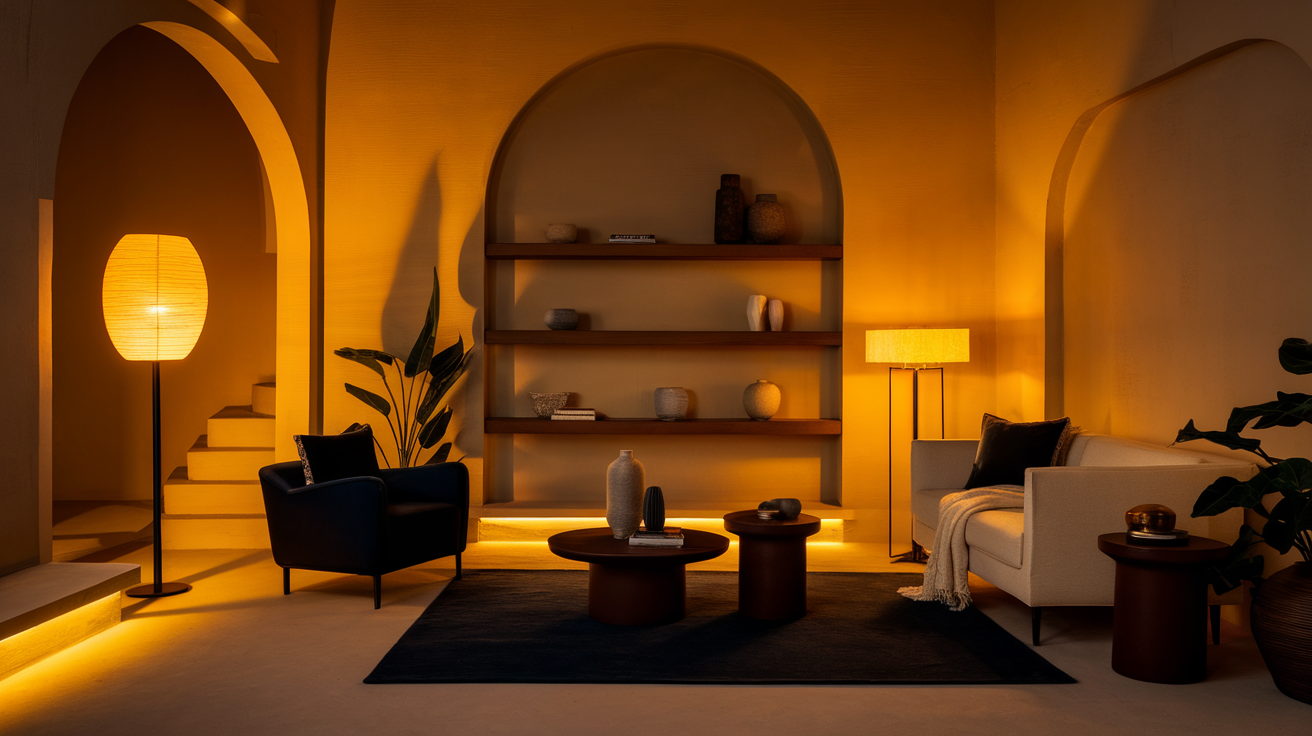
- Warm light, always — cold minimalism is just a waiting room
The test isn’t “how empty is it,” it’s “is every single thing here earning its place?”
Texture is how minimalism stays warm
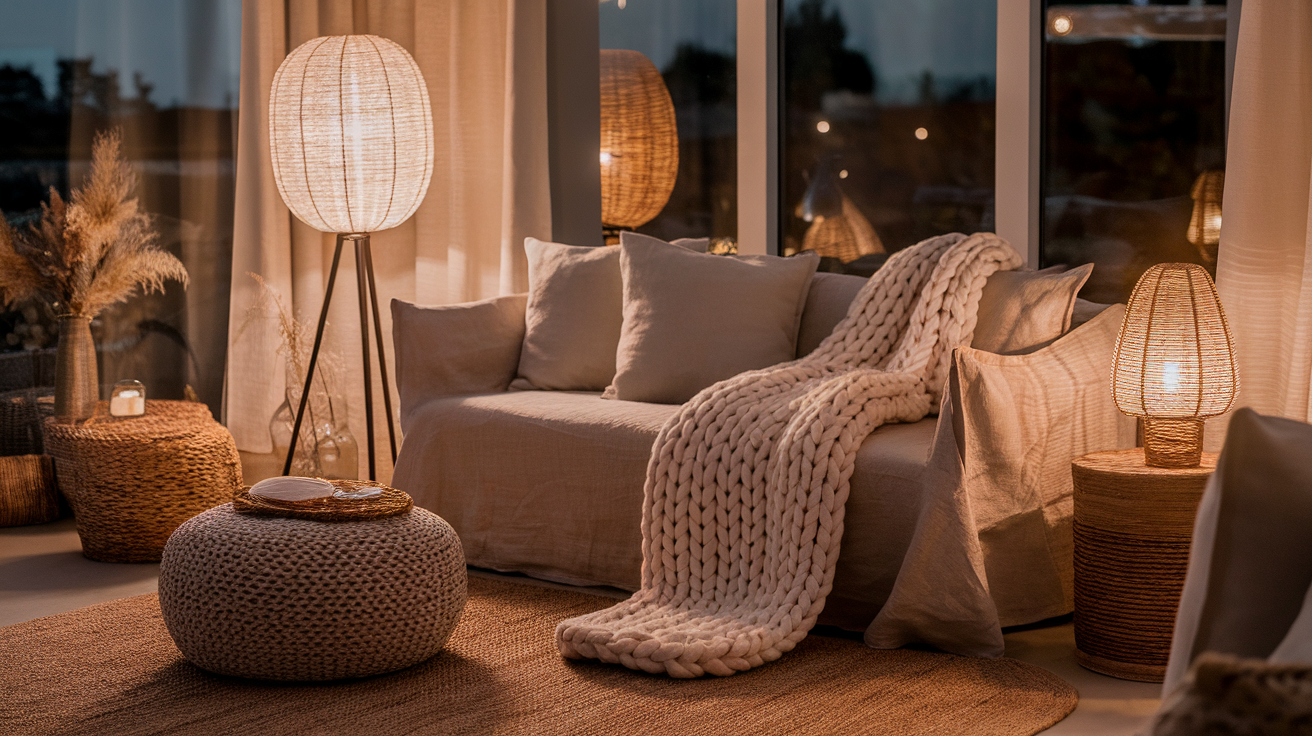
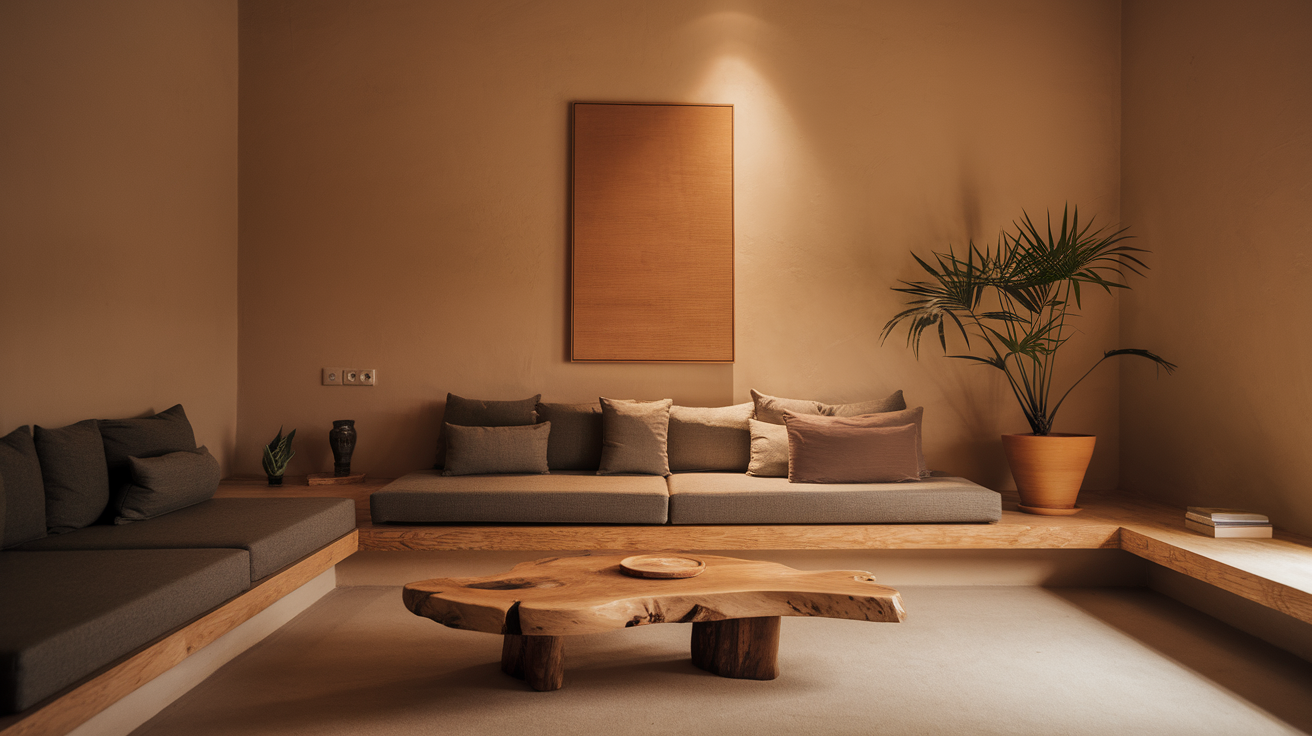
When you strip out color and clutter, texture has to carry the room. An all-smooth minimalist space goes cold fast. Bring in some contrast you can feel — a nubby rug, a linen slipcover, a raw-wood table, a chunky throw. Same restraint, completely different temperature.
Give it one point of interest
A totally uniform room reads as sterile. The minimalist rooms that feel designed almost always have a single focal point — one piece of art, one sculptural chair, one great window — with calm around it. The empty space isn’t the star; it’s the frame that lets the one thing shine.
If it feels cold instead of calm
Don’t add stuff — add warmth. Ask whether there’s anything soft to touch and anything warm-toned in the light. Fix those two and a spare room turns into a serene one, no clutter required.