Where to Spend and Where to Save in Every Room
People whose homes look expensive rarely spent evenly. They put real money into a few things and happily went cheap on everything else. The skill isn’t being frugal — it’s knowing which handful of things actually reward the spend and which genuinely don’t.
Spend on what you touch every day
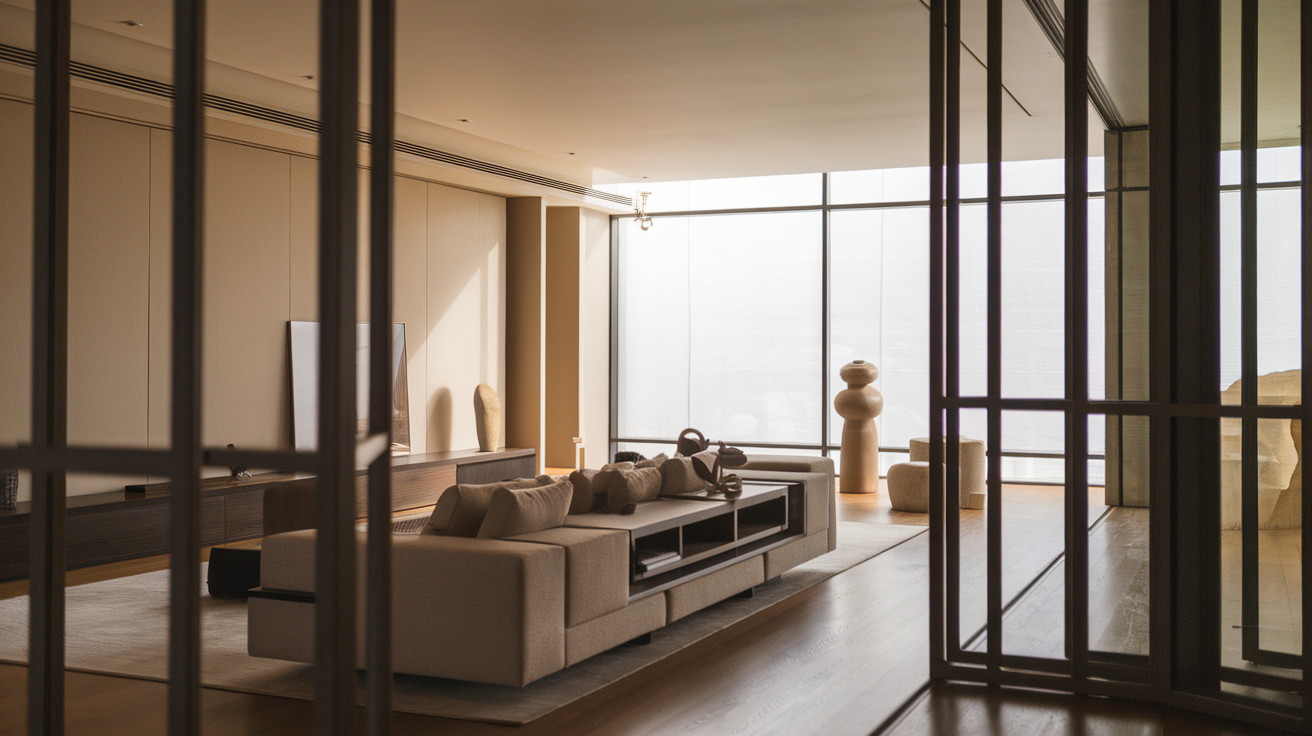
Money shows — and pays you back — on the stuff your body is in constant contact with, and the pieces that anchor a room:
- The sofa and the mattress. You spend hours on both, so comfort and durability are worth it. A cheap sofa gives itself away within a year.
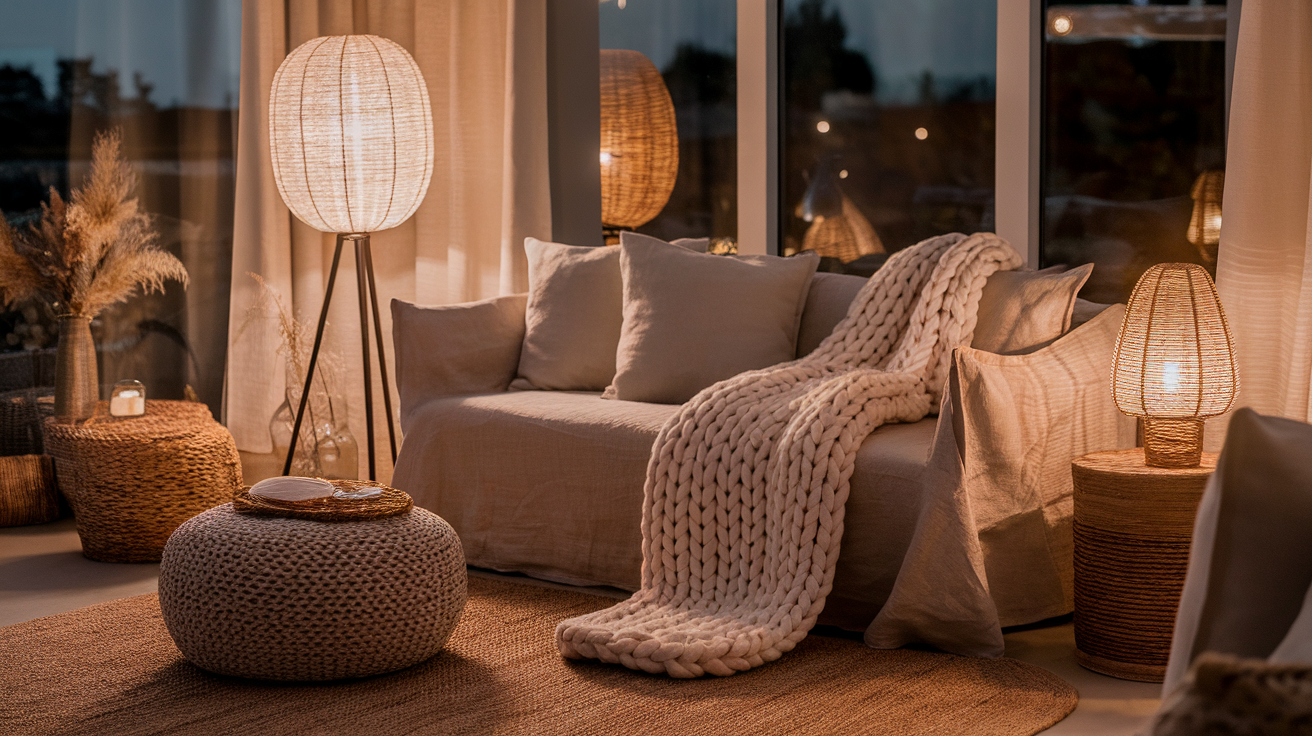
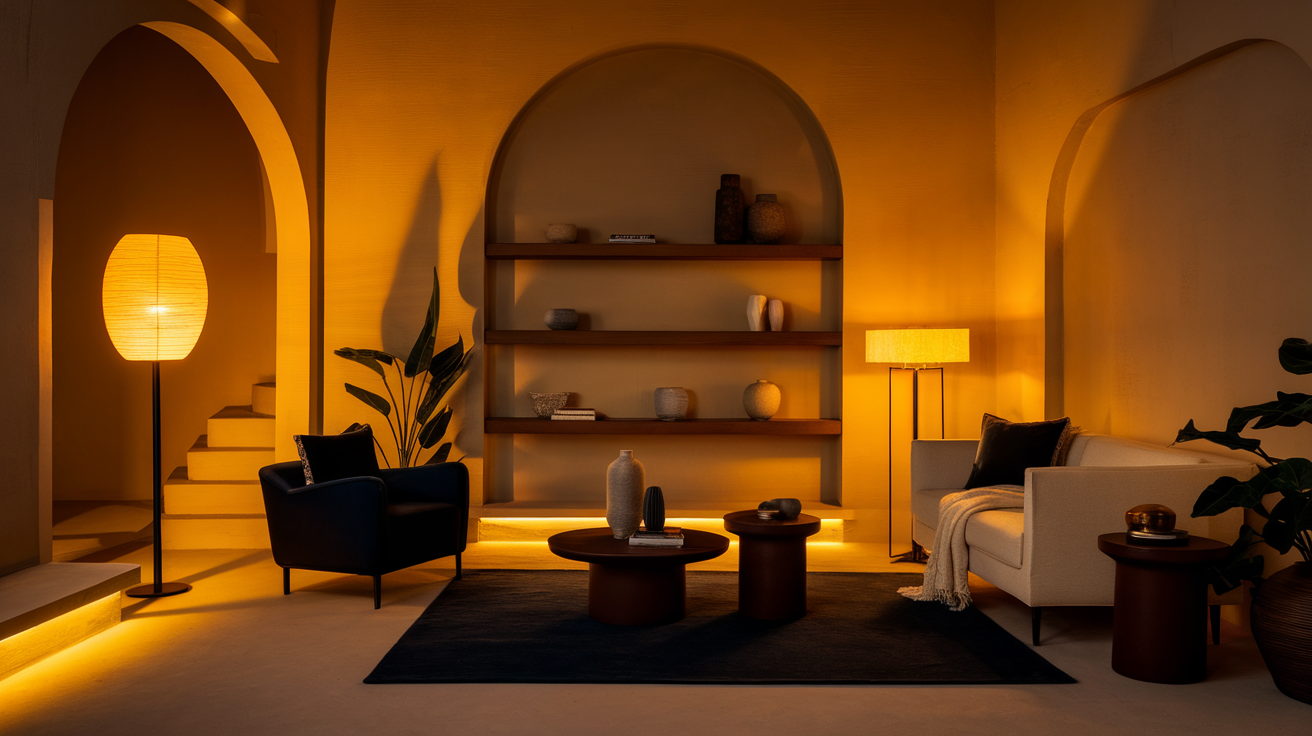
- The main light fixtures and lamps. Lighting sets the whole mood, so it’s worth getting right.
- One anchor rug in your main room, sized properly.
These are the room’s bones. Buy them well, buy them once.
Save on what’s decorative or easy to swap
Almost anything that’s mostly visual can be cheap without anyone noticing:
- Throw pillows, blankets, vases, candles, small decor
- Art — prints, thrifted frames, and posters look great grouped up
- Side tables, shelves, plant pots
- Anything trendy you’ll probably be over in two years
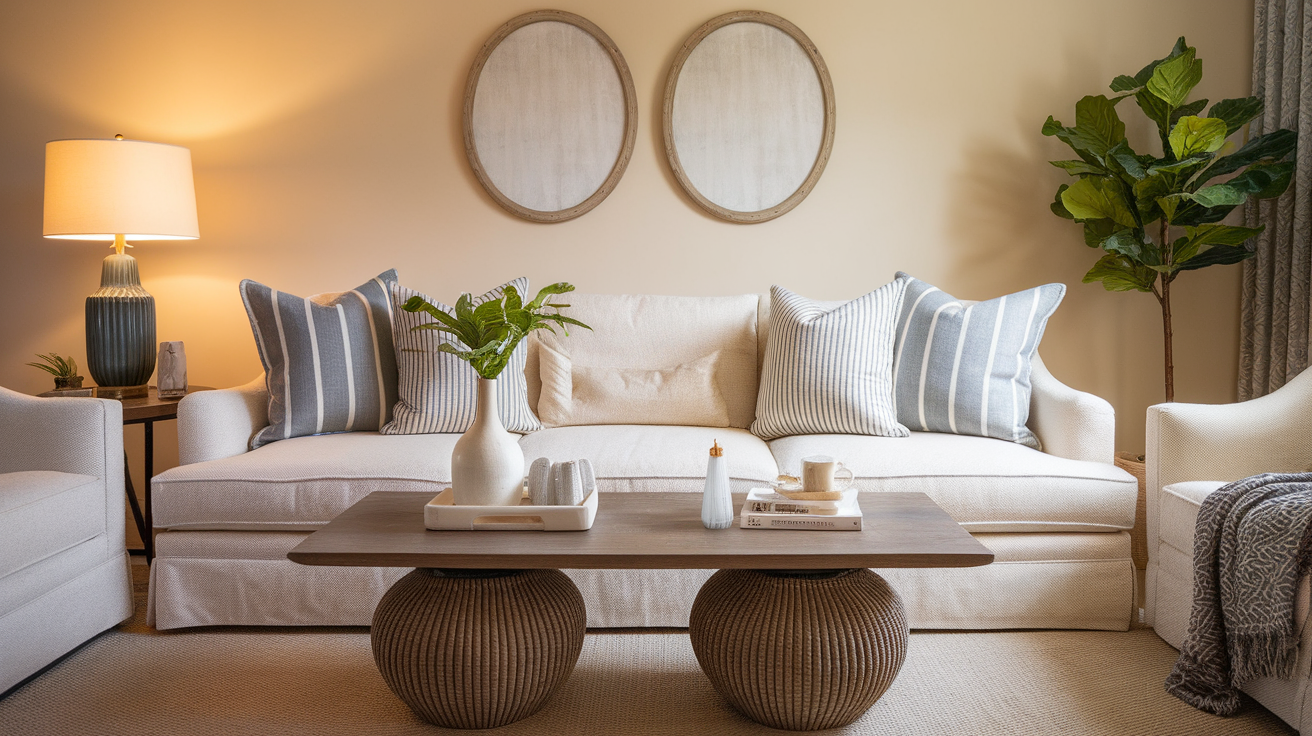
The catch: cheap decorative pieces look totally fine as long as the room’s anchors are solid. A great sofa forgives budget cushions; a cheap sofa doesn’t get rescued by expensive ones.
One hero, lots of humble helpers
One good piece per room quietly lifts the perceived value of everything around it. Buy the one nice thing, then surround it confidently with affordable supporting cast. That contrast — one hero, many humble helpers — is basically how well-designed rooms actually get built.
A quick question before you buy
Ask yourself: is this a bone or a decoration? Bones (daily-use, anchoring) earn the spend. Decorations don’t — and treating a decoration like a bone is the fastest way to blow a budget with nothing to show for it.