Bedroom Lighting for Better Sleep and a Softer Room
Bedroom lighting is one of those rare decorating choices that’s also kind of a health choice. The color and brightness of the light you’re sitting under before bed nudges your body’s sense of what time it is — and, conveniently, the settings that help you wind down are also the ones that make a bedroom look its best.
Warm and low after dark
The overhead light in most bedrooms is too bright and too blue — great for finding a lost sock, not great for sleep. That bright blue-white light basically tells your body it’s still daytime. So once the sun’s down, two things:
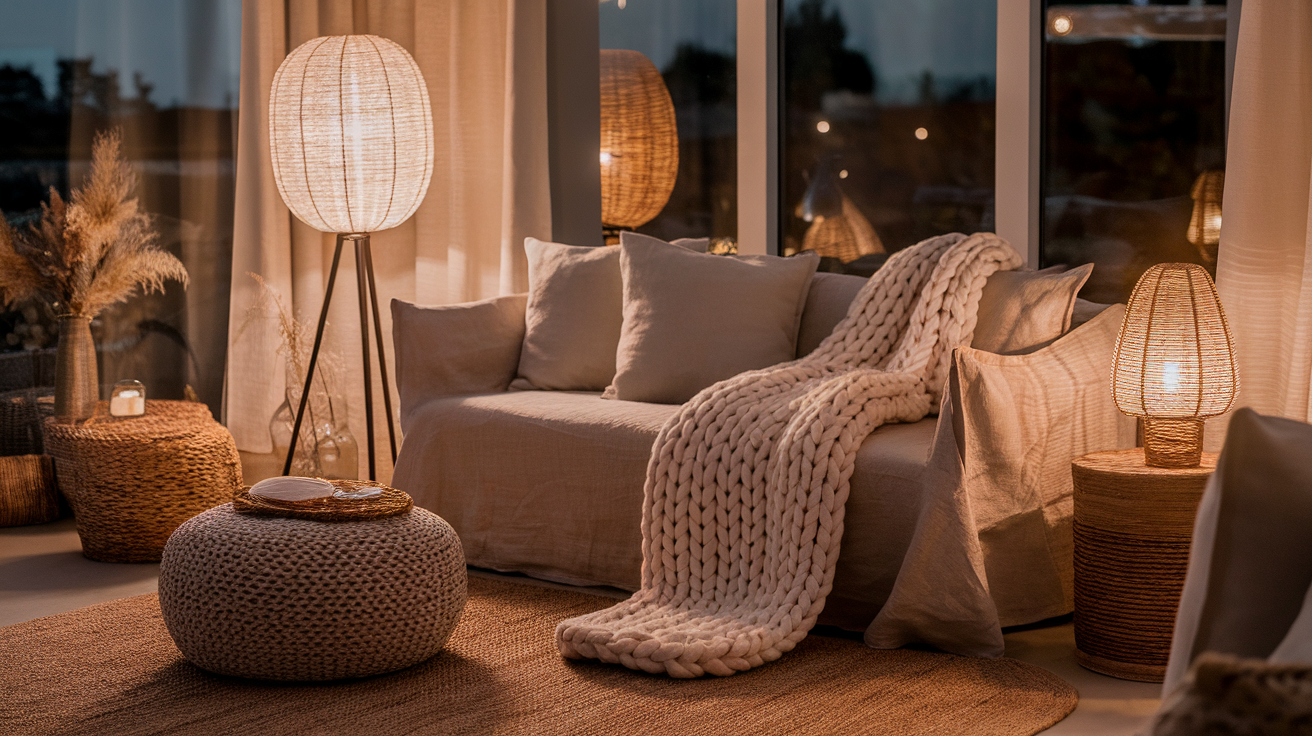
- Go warm. Use warm-white bulbs (around 2700K, sometimes labeled “soft white”) in your bedroom fixtures.
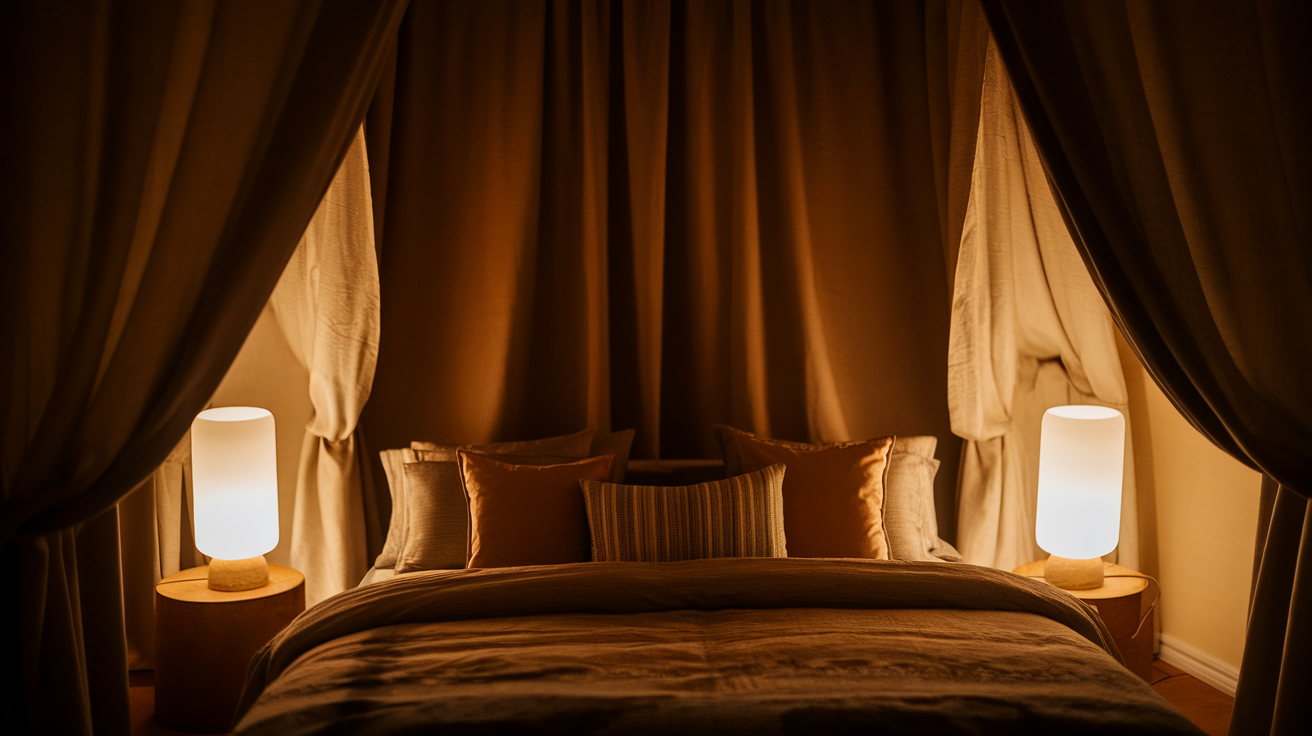
- Go low. Light the room from lamps at bedside height instead of the ceiling. Low light sources cast a softer, more flattering glow and just read as evening.
Get yourself a dimmer (or fake one)
Ideally you can fade the room down as bedtime gets closer. If wiring in a real dimmer isn’t happening, smart bulbs do the same trick — set them to go dim and warm on a schedule so the room quietly winds down with you. Even a plug-in lamp on the far side of the room adds a nice soft second layer.
Protect the dark
Good sleep lighting also means the absence of light. A little standby LED or a gap in the curtains can keep a room faintly “on” all night. Block streetlight with proper curtains, and cover or unplug anything that glows. A genuinely dark room sleeps better and feels calmer in the morning too.
Quick gut check
An hour before bed, notice how your bedroom is actually lit. If it’s a bright ceiling light, that’s both your sleep problem and your “why doesn’t this room feel cozy” problem — and one warm bedside lamp fixes both at once.